
Survive
How to Prepare for a Power Outage: Checklist and Safety Tips
Nov
Power outages happen for all kinds of reasons: winter storms, ice on the lines, high winds, heat waves and failing equipment. Most last a few hours, but some stretch into days. Knowing how to prepare for a power outage before it happens means you can keep your home lit, your family warm and your food safe without a scramble. A good place to start is a reliable set of rechargeable lanterns and flashlights, because light is the first thing everyone reaches for when the power goes out.
This guide walks through what to do before, during and after an outage, with a checklist you can work through this week.
Why It Pays to Prepare for a Power Outage
Electricity runs more of your home than you notice: lights, heat, refrigeration, water heaters, well pumps, phones, internet and medical devices. When it goes out, everything that depends on it stops at once. A little planning turns an outage from a crisis into an inconvenience.
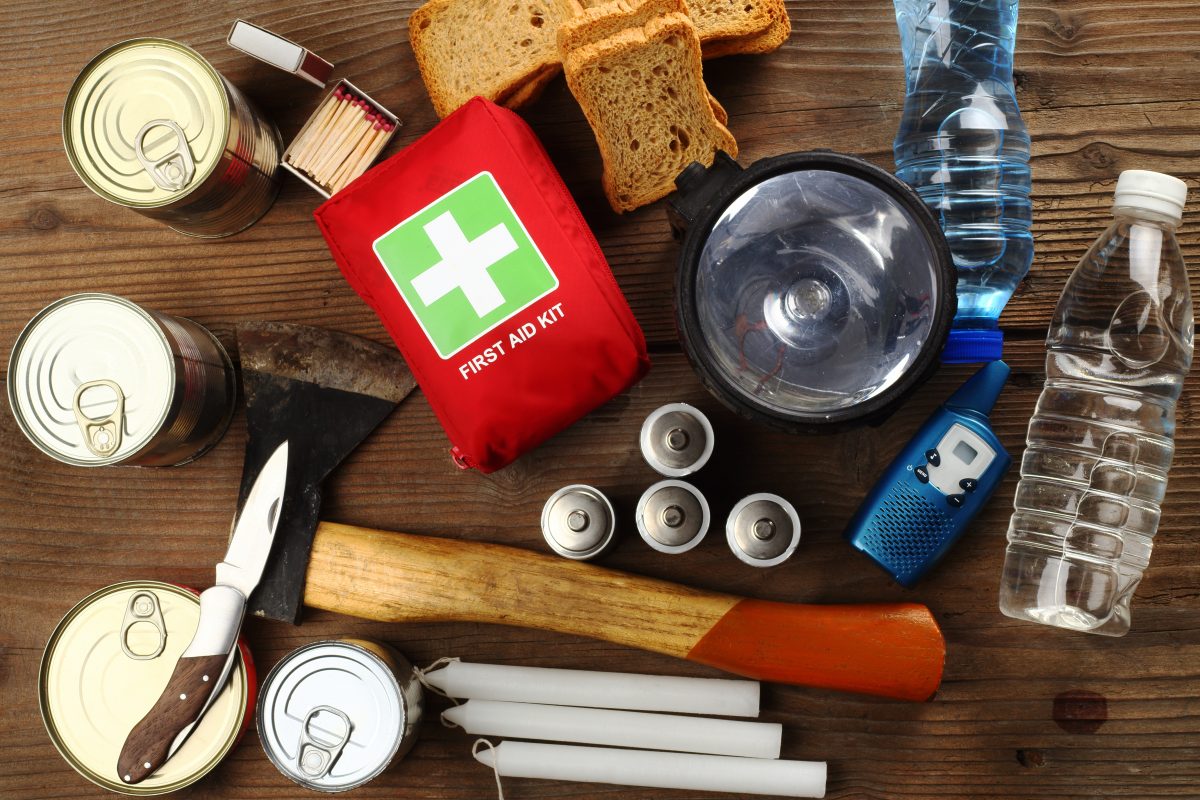
Your Power Outage Checklist
Work through this list before the next storm:
- Light: a lantern for each main room, a headlamp per person and a flashlight in an easy-to-find spot.
- Power for phones: charged power banks and a car charger.
- Water: at least a three-day supply, using a common guideline of one gallon per person per day.
- Food: shelf-stable food that needs no cooking, plus a manual can opener.
- Warmth: blankets, sleeping bags, warm layers and emergency blankets.
- Information: a battery or hand-crank radio.
- First aid: a stocked kit and a supply of any prescription medications.
- Safety: working smoke and carbon monoxide alarms with fresh batteries.
- Cash: small bills, since card readers and ATMs may be down.
- A plan: know how to manually open your garage door and where your main breaker and water shutoff are.
Light and Power: The First Things You Will Need
Battery-powered and rechargeable lights are far safer than candles, which are a common cause of house fires during outages.
- Lanterns: a rechargeable lantern lights a whole room. Some, like this rechargeable camping lantern with a built-in power bank, can also charge a phone.
- Headlamps: hands-free light for cooking, checking the breaker panel or helping kids get ready for bed. A rechargeable headlamp is worth having for every member of the household.
- Power banks: keep several charged and top them off whenever a storm is in the forecast.
- Charging habits: when a storm is coming, charge every phone, lantern and power bank in the house.
If you use a generator, run it outdoors only, well away from windows, doors and vents, and never in a garage, even with the door open.
Water and Food Without Electricity
Water
If you are on a well, an outage can cut off your water entirely, and city water can be affected during long outages too. Store water in advance in a clean container, such as a foldable water container with a spigot, and keep purification tablets on hand in case you are told your water is unsafe. Filling a bathtub before a storm gives you water for flushing toilets.
Food
Keep refrigerator and freezer doors closed as much as possible. A closed refrigerator generally keeps food cold for about four hours, while a full freezer holds its temperature for about 48 hours, or about 24 hours if it is half full. Eat perishable food first, then move to shelf-stable items. When in doubt, throw it out.
If you cook on a camp stove or grill, use it outdoors only. Never use a grill, camp stove or charcoal indoors, because they produce carbon monoxide.
Staying Warm When the Heat Goes Out
A winter outage is the most dangerous kind, because homes lose heat quickly.
- Pick one room. Gather everyone in a small room, ideally one with few windows, and close the doors to the rest of the house.
- Block drafts. Cover windows with blankets or towels and roll a towel along the bottom of doors.
- Layer up. Wear several layers, a hat and socks, even indoors.
- Use emergency blankets. Mylar emergency blankets reflect body heat and work well layered under a regular blanket. Our guide on whether mylar blankets work explains how to get the most from them.
- Never use an oven or stovetop to heat your home. Use only heaters designed and rated for indoor use, and follow the manufacturer’s instructions.
For more on staying warm, see our guide to winter survival gear.
Protect Your Electronics and Medical Needs
- Unplug sensitive electronics and appliances so a power surge does not damage them when service returns.
- Leave one light switched on so you know when the power is back.
- If anyone in your home relies on powered medical equipment, talk with their provider about a backup plan and let your utility know.
- Keep medications that need refrigeration in a cooler with ice if the outage runs long.
What to Do After the Power Comes Back
- Plug appliances back in one at a time to avoid overloading circuits.
- Check refrigerated and frozen food, and throw out anything that has been above safe temperatures for too long.
- Recharge your lanterns, headlamps and power banks right away.
- Restock anything you used, so your kit is ready for the next one.
Key Takeaways
- Prepare before the storm: light, power banks, water, food, warmth, a radio and first aid.
- Use rechargeable lanterns and headlamps instead of candles.
- Never run generators, grills or camp stoves indoors or in a garage.
- Keep the fridge and freezer closed to protect food for as long as possible.
- In winter, heat one small room, block drafts and layer blankets and emergency blankets.
Frequently Asked Questions
What should I do first when the power goes out?
Grab your flashlight or headlamp, check whether the outage is just your home or the whole area, and report it to your utility. Then unplug sensitive electronics and keep the fridge and freezer closed.
How long will food last in the fridge during a power outage?
A closed refrigerator generally keeps food cold for about four hours. A full freezer holds its temperature for about 48 hours, or about 24 hours if half full, as long as the doors stay closed.
How do I keep my house warm without power?
Gather in one small room, close off the rest of the house, block drafts, wear layers and use blankets and emergency blankets. Only use heaters rated for indoor use, and never heat your home with an oven, stove or grill.
What is the best light for a power outage?
A rechargeable lantern for each main room, plus a headlamp for each person. They are safer than candles and give you hands-free light for tasks.
What should be in a power outage kit?
Lanterns and headlamps, power banks, water, shelf-stable food, blankets, a battery or hand-crank radio, a first aid kit, medications and some cash.
Conclusion
Knowing how to prepare for a power outage takes the stress out of the next storm. Build a simple kit with light, water, food, warmth and a way to stay informed, keep your devices charged, and follow the safety rules that matter most. The Survival Place carries rechargeable lanterns, headlamps, emergency blankets and water containers, so stock up now and be ready before the next outage.
